Ski Bindings, Lifter Plates & Touring Skins
More than just an accessory, ski bindings, lifter plates and touring skins are a key piece of kit.
Whether you’re looking for proper bindings to ensure your skis release properly, touring skins for hitting the backcountry or lifter plates to get the stance just right for you, our expert team has the knowledge from decades of experience to make sure you get the right gear.
Showing 1–20 of 30 results
-
![Attack Hybrid 14 Mn Pt Wo Brake [o] Solid Black Gold Ski Sideleft](data:image/svg+xml;base64,PHN2ZyB4bWxucz0iaHR0cDovL3d3dy53My5vcmcvMjAwMC9zdmciIHdpZHRoPSIxMTMyIiBoZWlnaHQ9IjgwMCIgdmlld0JveD0iMCAwIDExMzIgODAwIj48cmVjdCB3aWR0aD0iMTAwJSIgaGVpZ2h0PSIxMDAlIiBmaWxsPSIjZmZmZmZmIi8+PC9zdmc+)
Head Attack Hybrid 14 MN/PT
£444.95 View Product -
HEAD EVO 9 GW CA Solid Black/Speed Blue
Call for Price View Product -
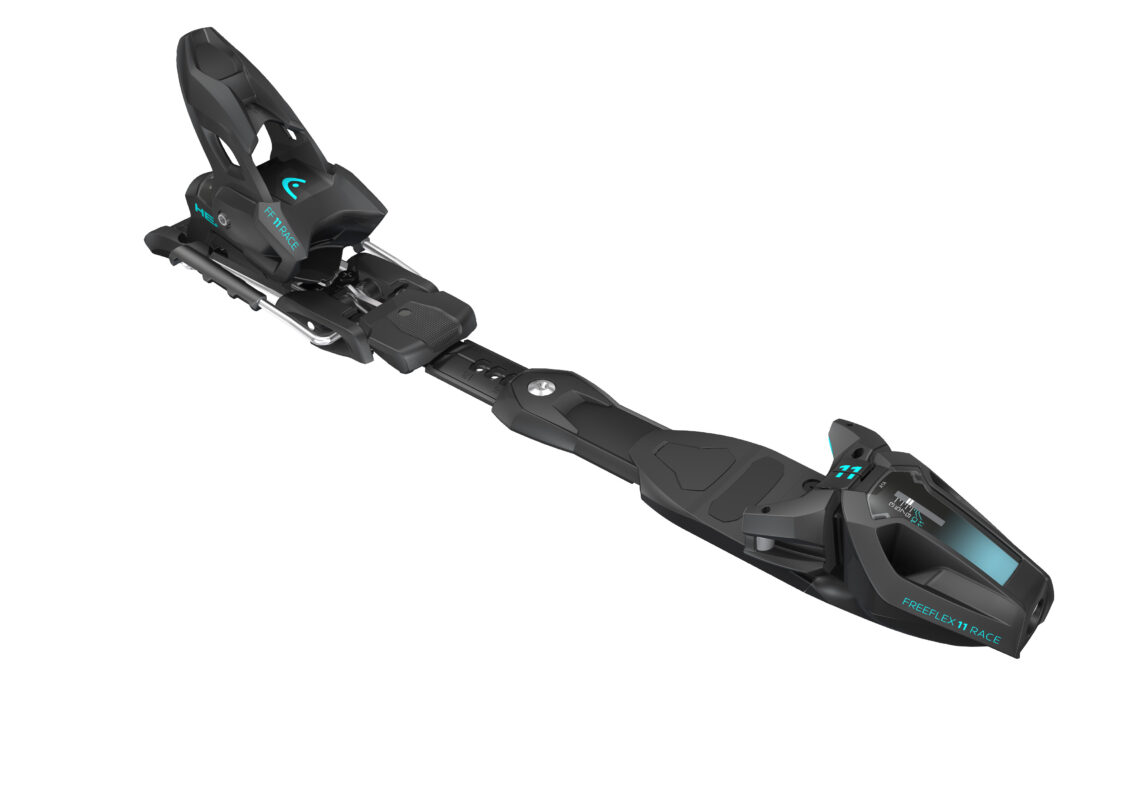
Head Freeflex 11 Race Matt Black/Speed Blue
Call for Price View Product -
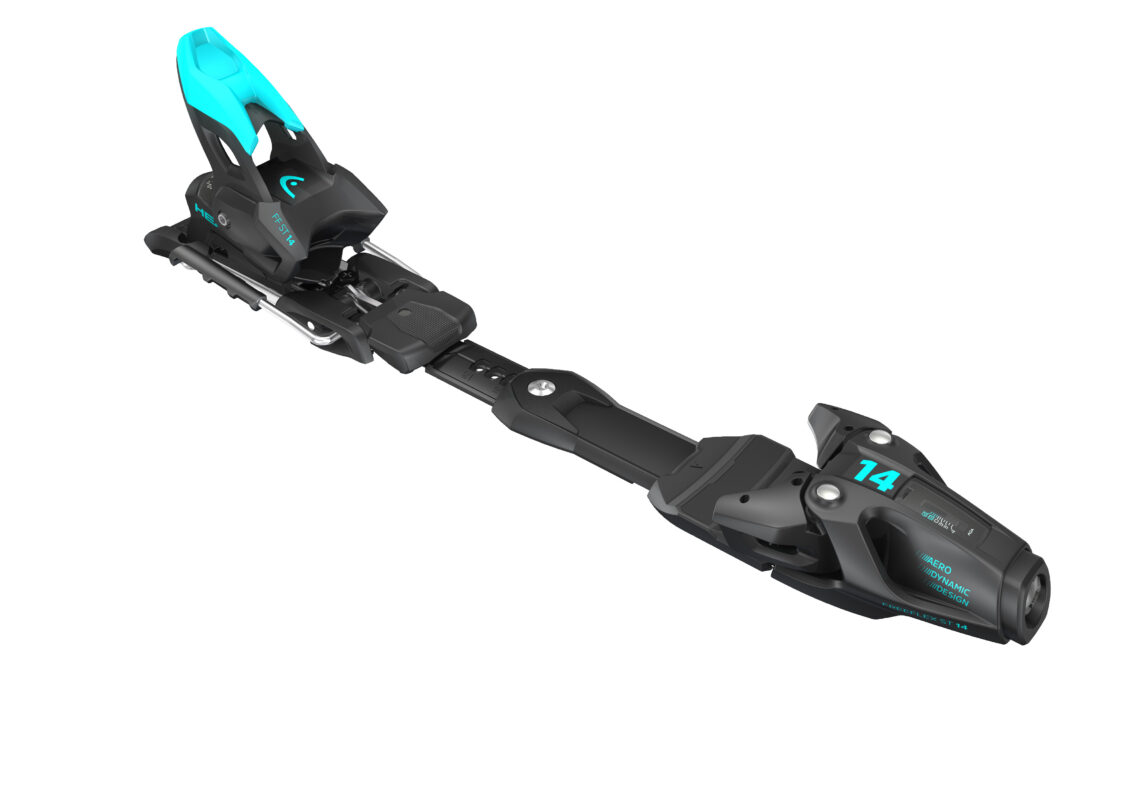
Head Freeflex ST 14 Matt Black/Speed Blue
Call for Price View Product -
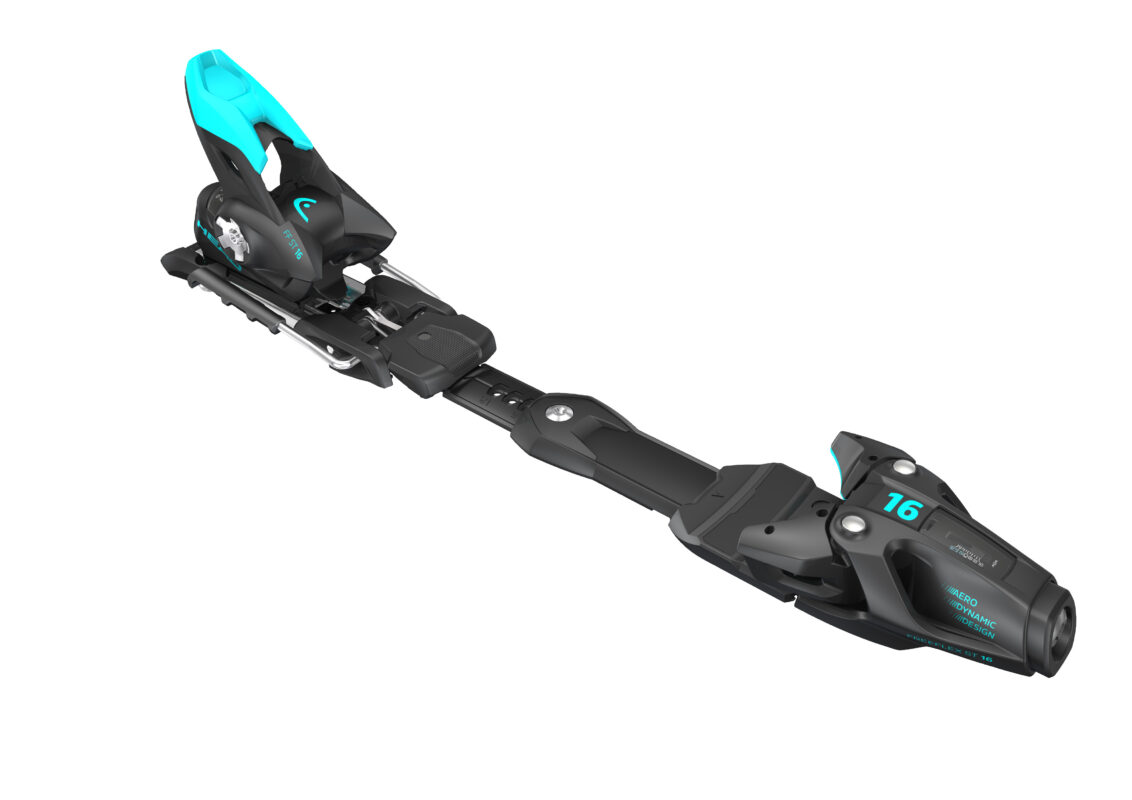
Head Freeflex ST 16 Matt Black/Speed Blue
£289.95 View Product -
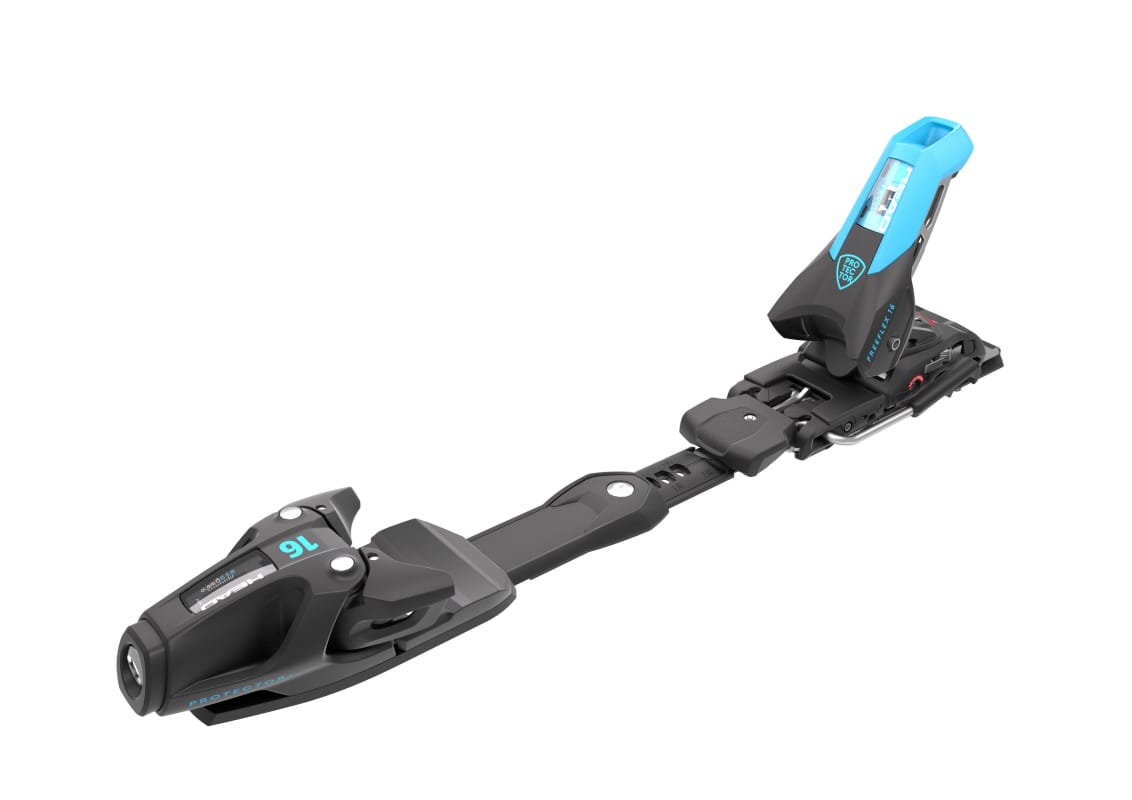
Head Protector+ FF ST 16 GW Alpine Binding 85mm
£319.95 View Product -

Head Touring Skins – Untrimmed
£169.95 View Product -

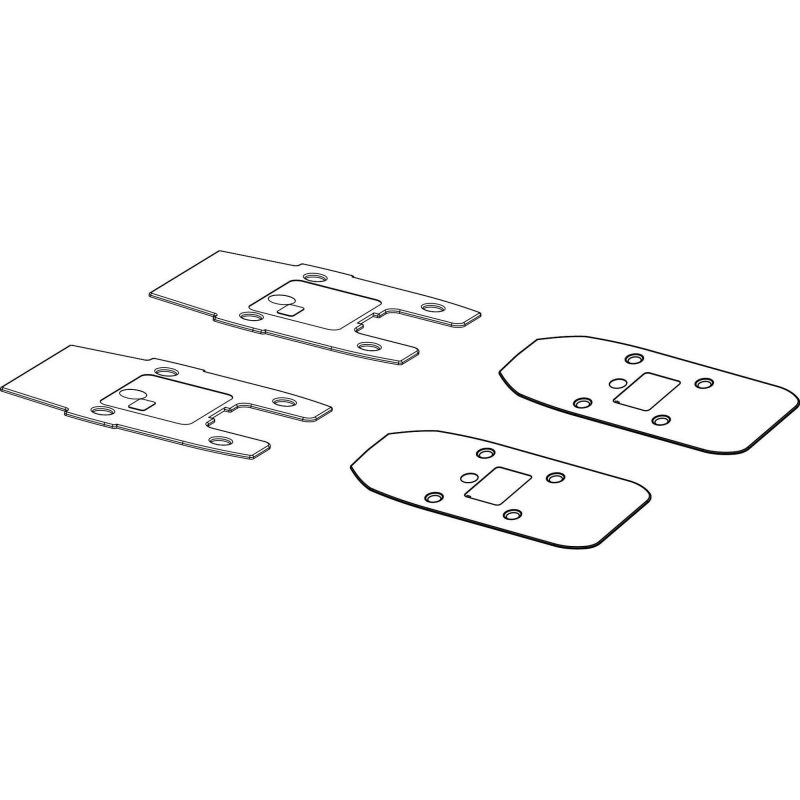
LOOK Lifter 1mm PX18/SPX15
£12.50 View Product -
LOOK Lifter 1mm SPX12/SPX14
£13.50 View Product -
LOOK Lifter 3mm PX18/SPX15 RockerRace/flex + Screws
£21.95 View Product -
LOOK Lifter 3mm SPX12/14 RockerRace/flex + Screws
£21.95 View Product -
LOOK Lifter 5mm SPX12/14 RockerRace/flex + Screws
£31.95 View Product -

LOOK NX7 B73 Black Hot Red
£80.00 View Product -

LOOK NX7 B73 Silver Red
£88.95 View Product -
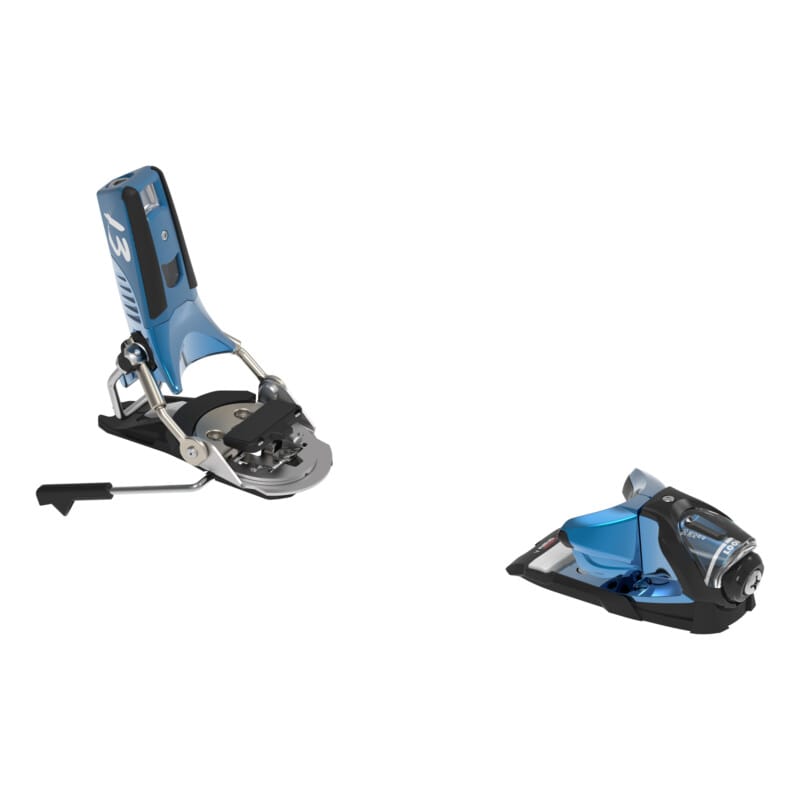
LOOK PIVOT 2.0 13 GW Black Metal
£289.95 View Product -
LOOK PIVOT 2.0 13 GW Blue Steel
£289.95 View Product -
LOOK PIVOT 2.0 15 GW Black Metal
£349.95 View Product -
LOOK PIVOT 2.0 15 GW Bluesteel
£349.95 View Product -
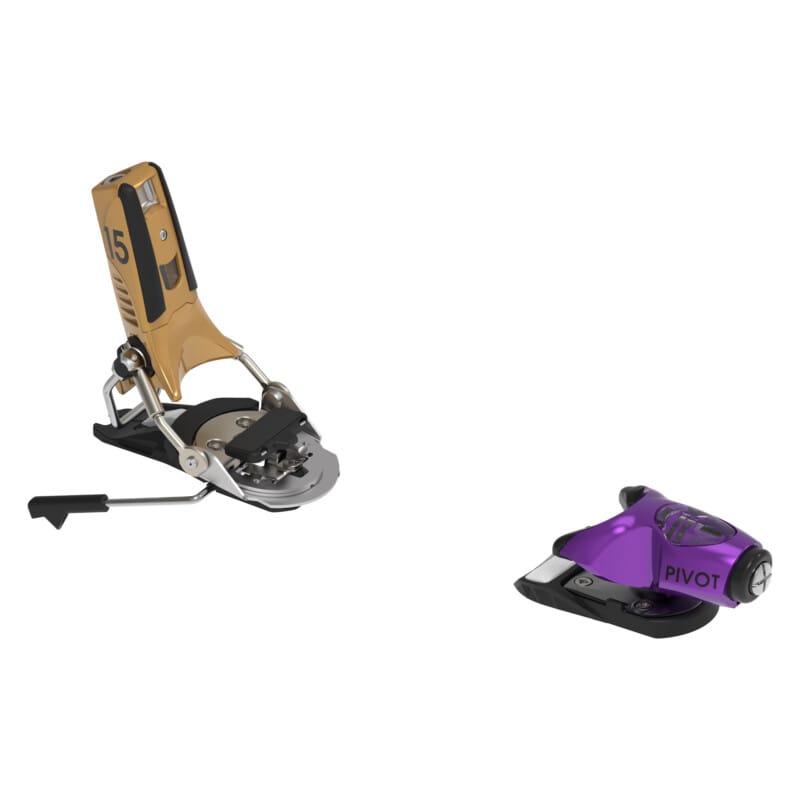
LOOK PIVOT 2.0 15 GW Purple Gold
£349.95 View Product -
LOOK PIVOT 2.0 Spare Brake
£84.95 View Product
![Attack Hybrid 14 Mn Pt Wo Brake [o] Solid Black Gold Ski Sideleft](https://skiracing.co.uk/wp-content/uploads/2025/08/ATTACK-HYBRID-14-MN-PT-WO-BRAKE-O_solid-black-gold_ski_sideLeft-1132x800.jpg)







1) What is the DIN setting, and why is it important?
The DIN setting is what allows your ski to come off safely in the event of an accident. Having your DIN range set correctly is a safety feature. A higher DIN means more pressure is required to release your bindings from your boot – setting your DIN too high means your skis won’t release in the event of a fall, and you risk injuries to your legs such as sprains, strains, and broken bones. Your ideal DIN range will be based on your weight, your level of skill, and the type of skiing you do most often.
2) How do I know if a set of bindings are compatible with my boots?
To choose a set of ski bindings compatible with your boots, have a look on the boot sole for markings such as the ISO standard, GripWalk or MNC. Another factor to consider when choosing bindings is the width of the brake. Your brake width should fit across the waist of your ski. Our technicians can help you choose the right ski binding and offer ski binding mounting services to ensure your skis are correctly set to release in an accident. We offer this service for free when you purchase both your skis and bindings from us.
3) Should you lift your ski boots?
Lifter plates are designed to raise the height of the sole of your boot. Sometimes, when skiing, you may feel like your foot is lifting in your boot – this is a sign you might need a lifter plate fitting. Heel lifts raise your foot in your boot, pushing your foot forward and creating contact with the front of the boot for greater control. Not everyone will need a lifter plate. Using a lifter plate significantly changes the position of your foot in your boot, so we do not advise attempting to fit a lifter plate yourself. Our team of qualified boot fitters can fit a lifter plate if needed as part of your ski boot fitting.
4) How do touring skins work, and how do I choose the right size?
Ski touring skins are designed to provide traction against the snow, allowing your ski to only slide forward. They stop your skis from slipping backwards on the snow when walking through backcountry. They are called skins because they were originally made from animal skin, but modern touring skins are now made from synthetic materials. The right touring skin should be slightly smaller than your ski, allowing the edges to grip the snow.