Recreational Ski Boots
Tired of feet aching every time you hit the slopes? We’ve been there. Bad boots can ruin your time skiing and cause lasting problems like shin bang, calf pain and joint issues.
Our expert team can help you choose a pair of comfortable, warm ski boots to help you make the most of snow days in style.
Showing 1–20 of 67 results
-

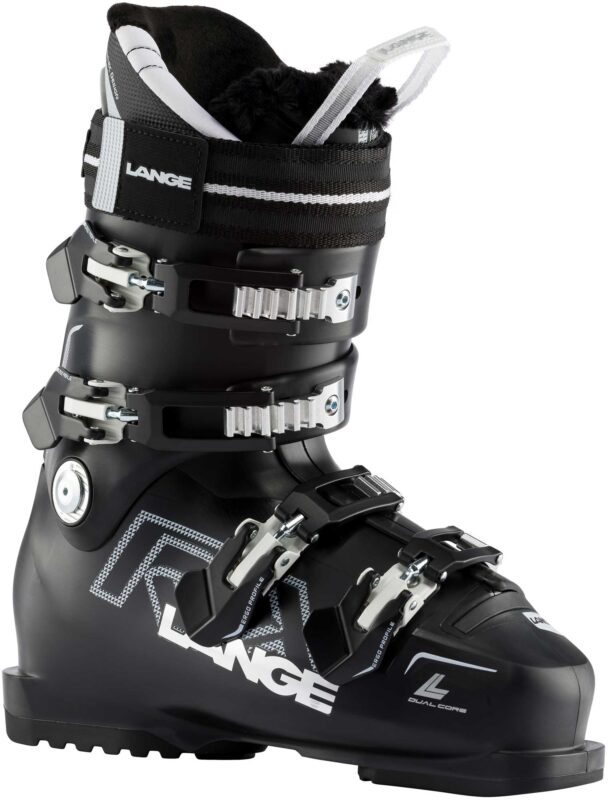
Lange RX 80 Womans Ski Boot
£280.00 View Product -

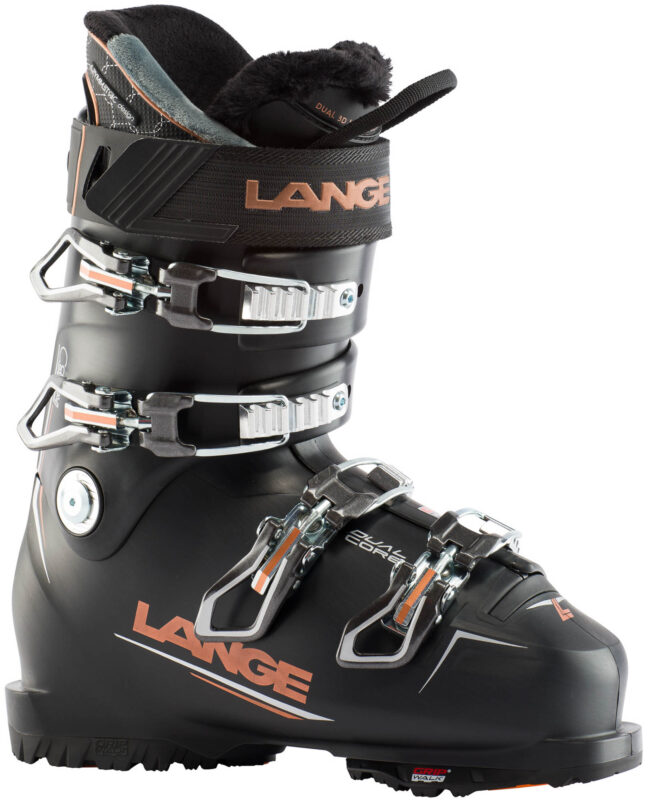
Lange RX 80 W GW BLACK
£300.00 View Product -

Lange LX 80 Womans Ski Boot
£280.00 View Product -

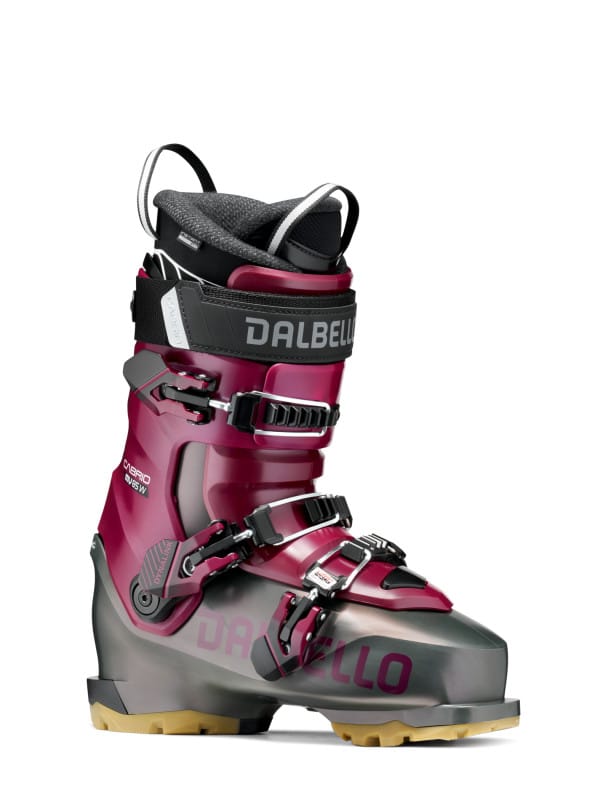
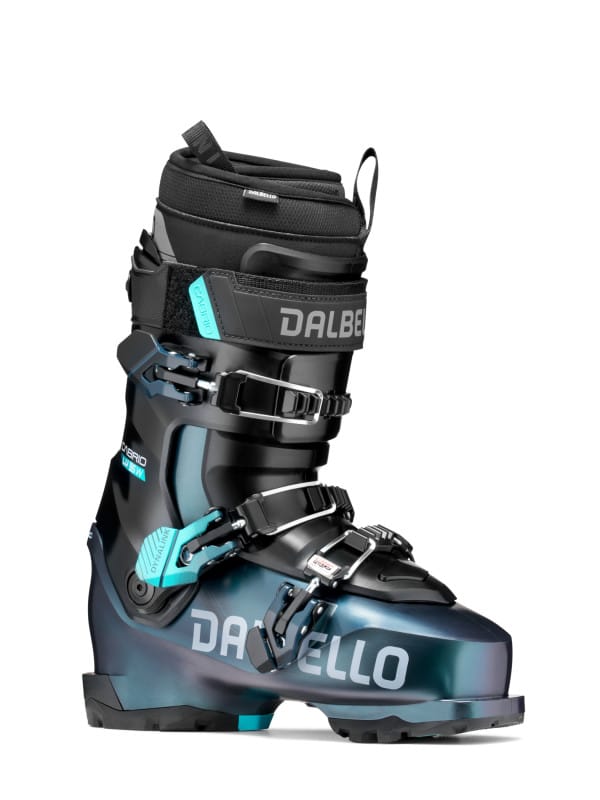
Dalbello Cabrio MV 85 W GW Opal Red/Berry
£349.95 View Product -

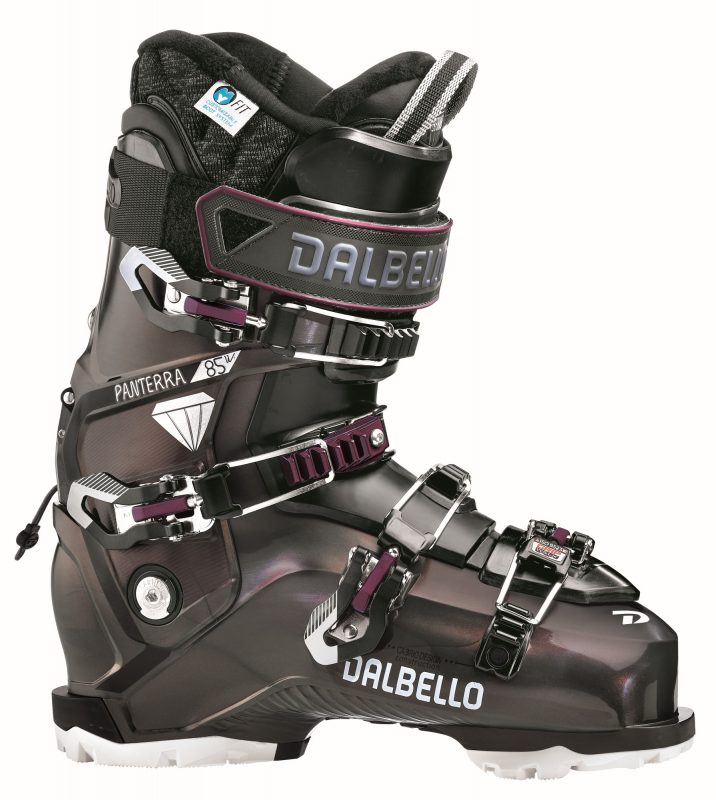
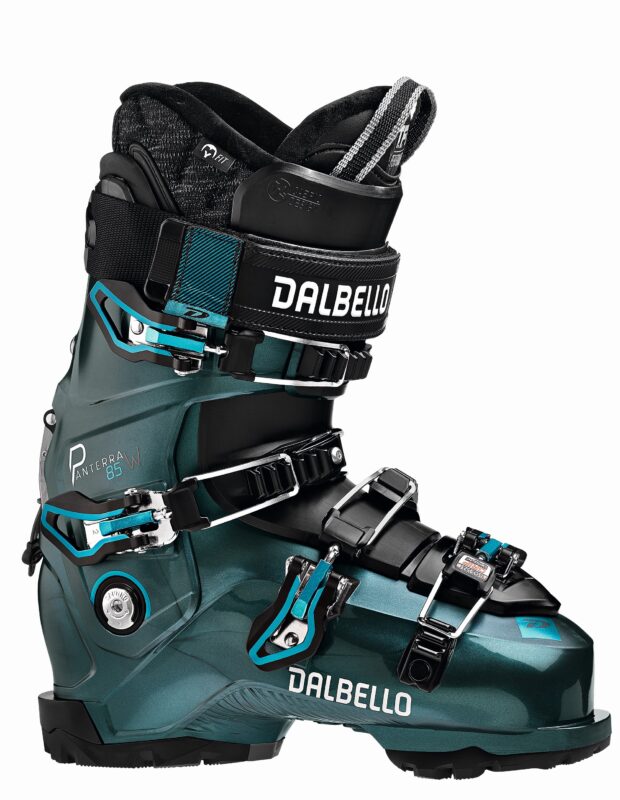
Dalbello Panterra 85 Womens GW
£300.00 View Product -

Dalbello Panterra 85 Womens GW Opal Green
£335.00 View Product -

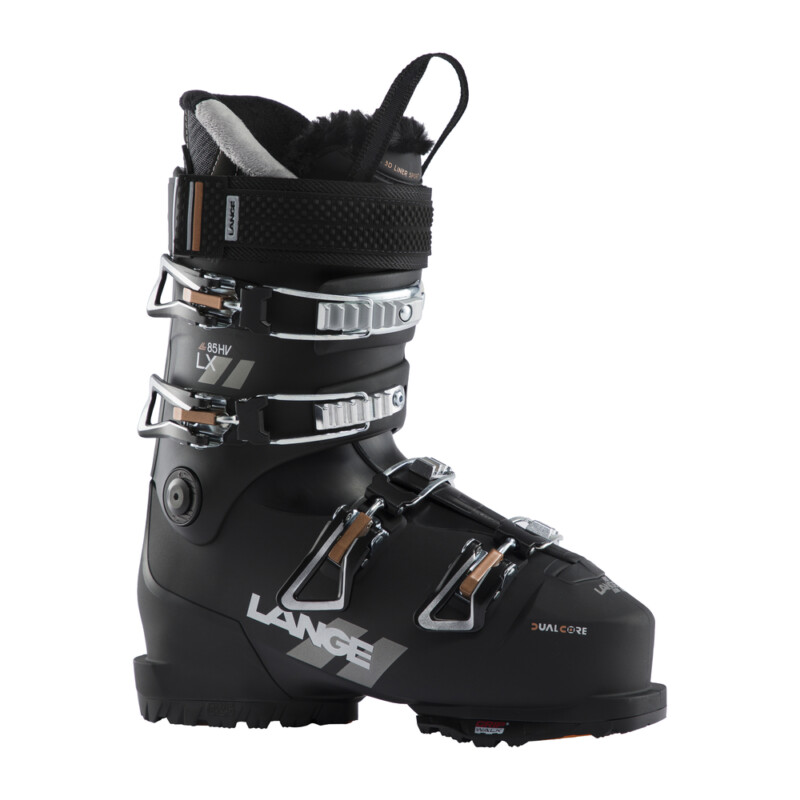
Lange LX 85 Womens HV GW Black Ski Boot
£349.95 View Product -
Lange LX 85 Womens HV GW Ski Boot
£349.95 View Product -
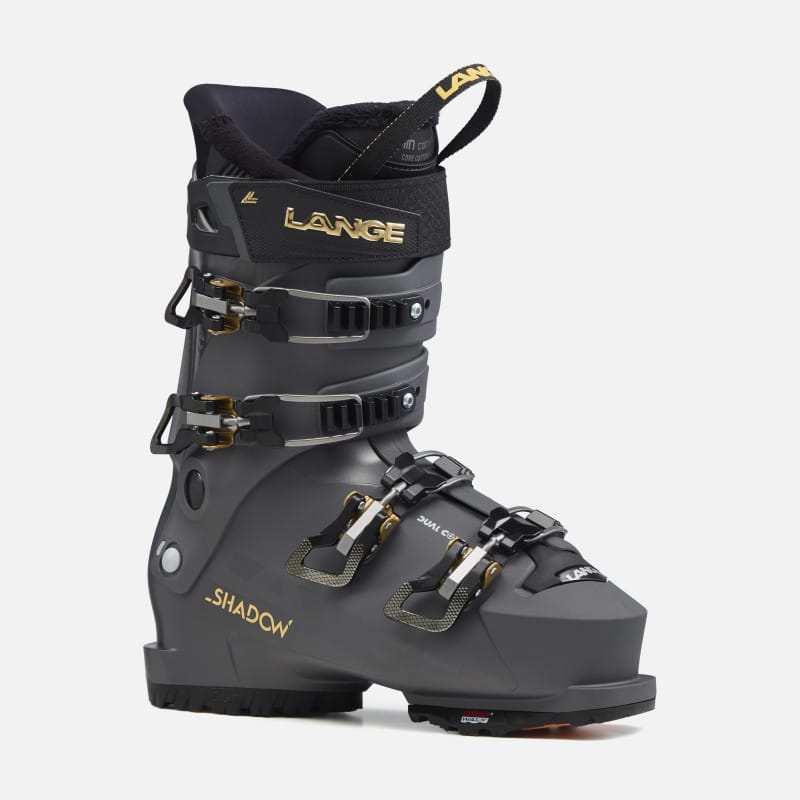
Lange Shadow 85 W LV GW Women’s Ski Boot
£364.95 View Product -
Lange Shadow 85 W MV GW Women’s Ski Boot
£364.95 View Product -

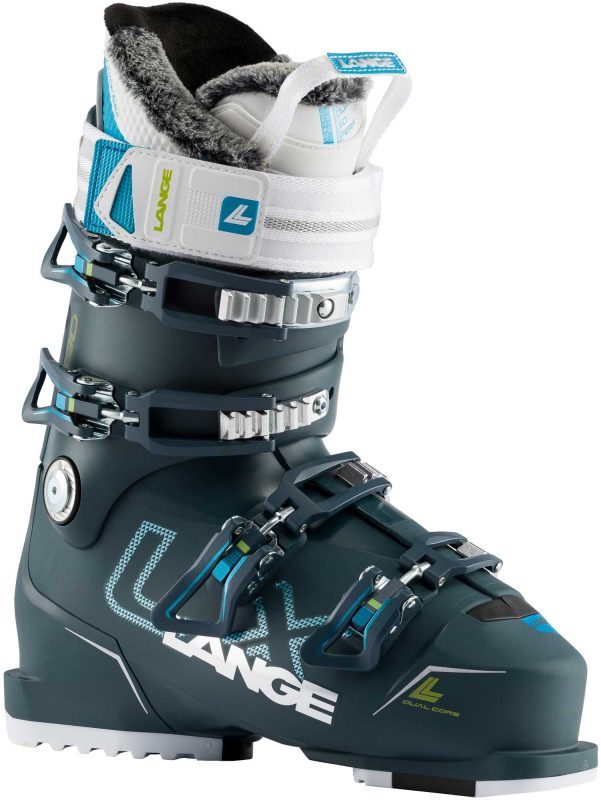
Lange LX 90 Womans Ski Boot
£325.00 View Product -
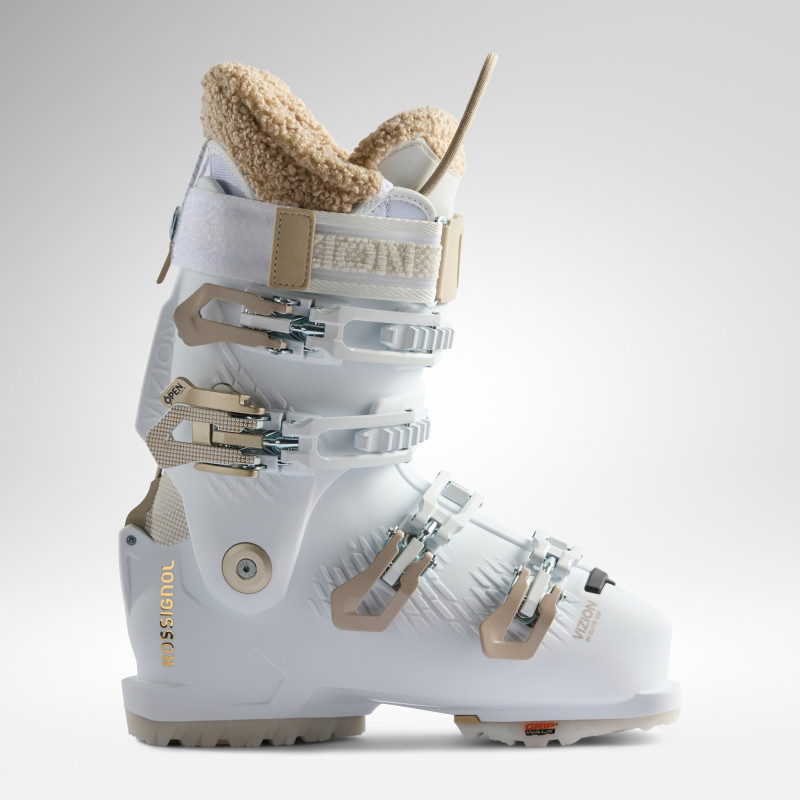
Rossignol Vizion 4B Elite 90 GW White Women’s Ski Boot
£514.95 View Product -
Rossignol Vizion 4B Elite 90 GW Women’s Ski Boot
£499.95 View Product -
Dalbello Cabrio LV 95 W GW Opal Green/Black
£529.95 View Product -

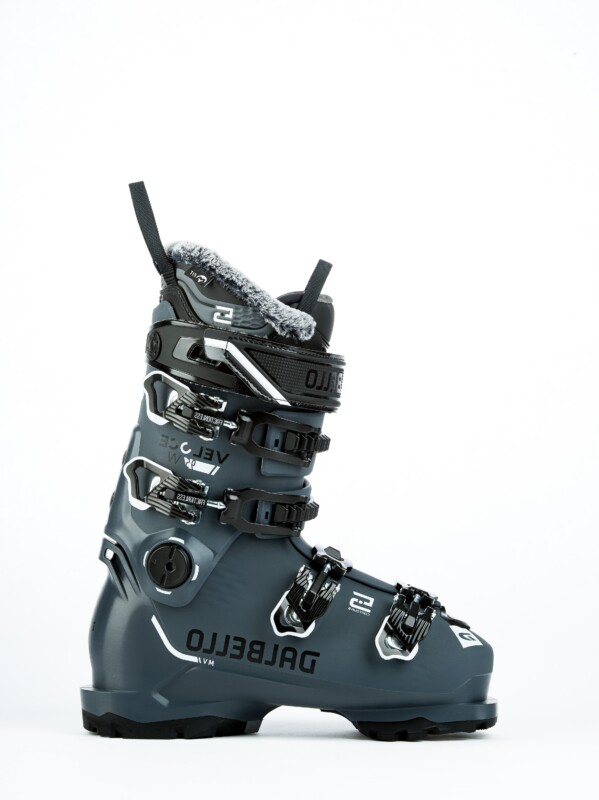
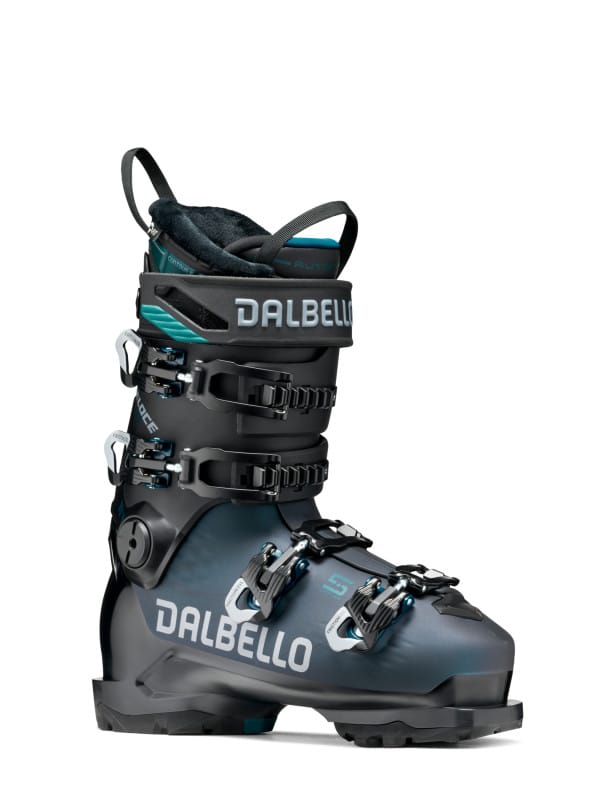
Dalbello Veloce 95 W GW Grey/Black Silver
£399.95 View Product -
Dalbello Veloce 95 W GW Opal Green/Grue
£399.95 View Product -
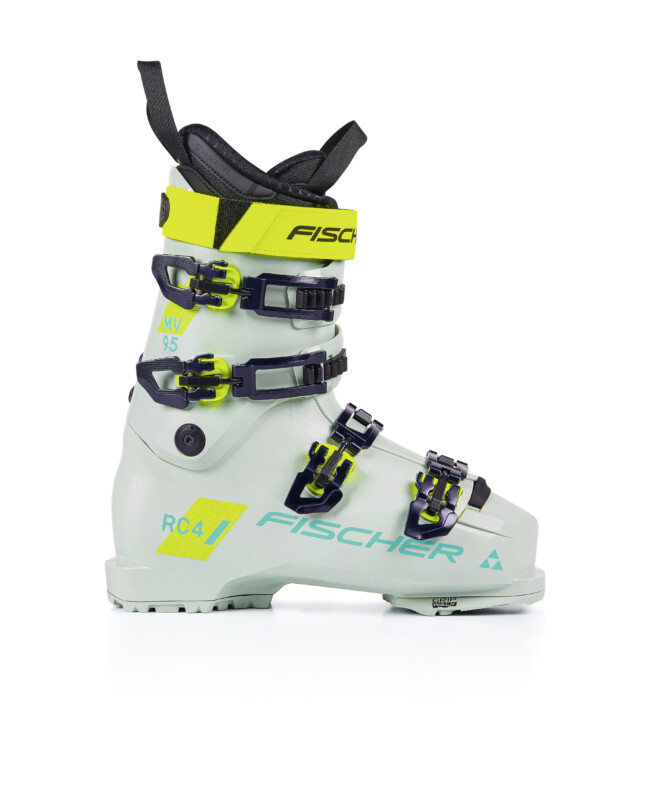
Fischer RC4 95 MV BOA VAC GW
£429.95 View Product -

Fischer RC4 95 MV BOA VAC GW Black
£459.95 View Product -
Fischer RC4 95 MV VAC GW Ice Grey
£369.95 View Product -
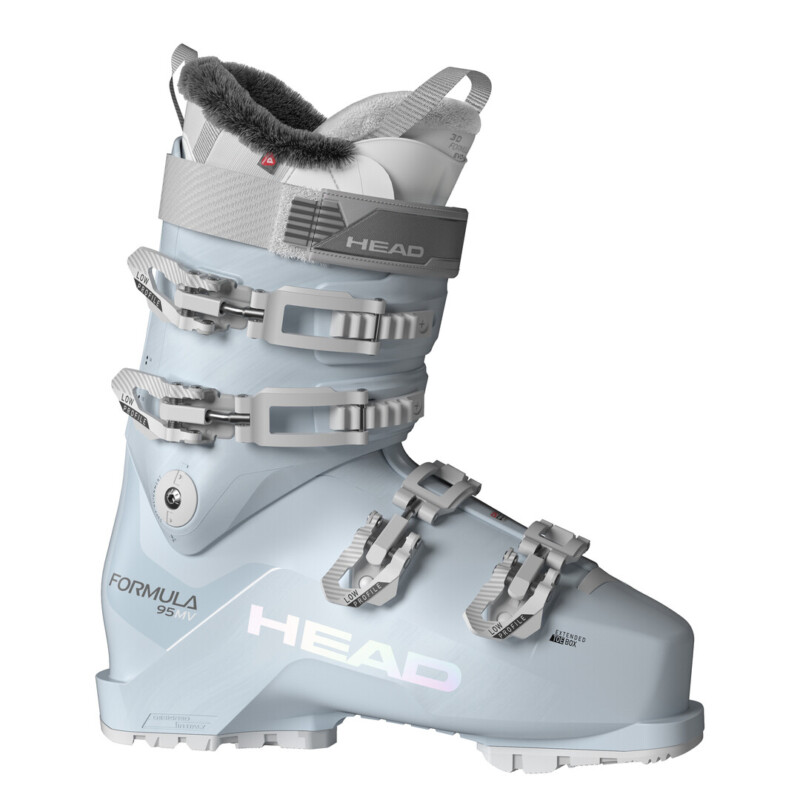
HEAD Formula 95 W MV GW Ice Ski Boot
£389.95 View Product






1) Should I choose a recreational boot or a race boot?
Recreational boots are designed for comfort and long term wear. They’re designed to let you stay out on the slopes all day without aching feet. Ski racing boots are specially designed for high-tech performance, as such, they’re tighter and less comfortable because they’re only designed to be worn for a short time whilst racing or training. Casual skiers don’t need a technical race boot for a day out on the slopes – in you try to wear a race boot for a day of casual skiing, you’ll probably find your feet hurt after just a couple of hours. For help finding your perfect ski boot, our team can offer expert advice.
2) What is ‘flex’ and what number should a beginner or casual skier look for?
Flex refers to the stiffness of the boot. Higher flex means the boot is harder and it will be more difficult to bend your foot forwards. For most beginners, a boot flex between 70 and 100 is ideal. The right flex will be different for every person, which is why we recommend having a professional ski boot fitting even for casual skiers. This will help ensure your boot provides both supoort and comfort so that you enjoy skiing.
3) How do I choose the correct width (last) for maximum comfort?
Ski boot width or ‘last’ is measured based off the ball of your foot – the widest point. A lower last means a tighter fitting boot. Measured in mm, a higher last means a wider fit. There’s no one-size-fits-all approach to last, because everyone’s feet are different. Your boot should feel tight but not uncomfortable, and your feet shouldn’t slide around. On average, a last of 100mm will suit most casual skiers and provide a balance between precision and comfort. People with wider feet may prefer a higher last between 102mm and 104mm. Lower lasts between 98mm and 96mm are generally only for competitors or people with extremely narrow feet.
4) What features should I look for to ensure my boots are warm?
The best way to make sure your feet keep warm when skiing is with a proper boot fitting. Well fitted boots that are suitable for your feet will help encourage circulation. When paired with good quality technical ski socks, this should be enough to keep your feet warm, but if you’re stiff suffering with cold feet when we can help you choose some heated ski socks to keep your toes cosy.