Italy’s New Helmet Law: What Every Skier Needs to Know
Planning a ski trip to Italy for the 2026 ski season? There’s one essential piece of kit you absolutely cannot forget! New Italian laws regarding ski helmets have been introduced, so make sure you’re familiar with them before you travel!
As of November 1st, 2025, Italy has become the first country in Europe to introduce mandatory helmet use for all winter sports participants, regardless of age or experience.
How Has the Law Changed and Who Does It Affect?
Until now, ski helmet laws in Italy only applied to children and young people. The previous requirement covered those under 14. However, a recent change means the law now extends to every single person on Italian ski slopes, regardless of age, ability, or the activity you’re doing.
Whether you’re skiing, snowboarding, sledding or tobogganing, anyone on the snow at Italian ski resorts now needs a helmet. This applies to all areas of the slopes including progression and terrain parks, back-country skiing as well as all levels of runs from green to black. Snowsports participants all now need to be wearing a CE certified helmet regardless of age or experience level – and this law will be enforced by dedicated slope police officers.
This comprehensive approach represents a significant shift in slope safety regulations across the Alps, and Italy is leading the charge in making winter sports safer for everyone.
Helmet Technical Requirements
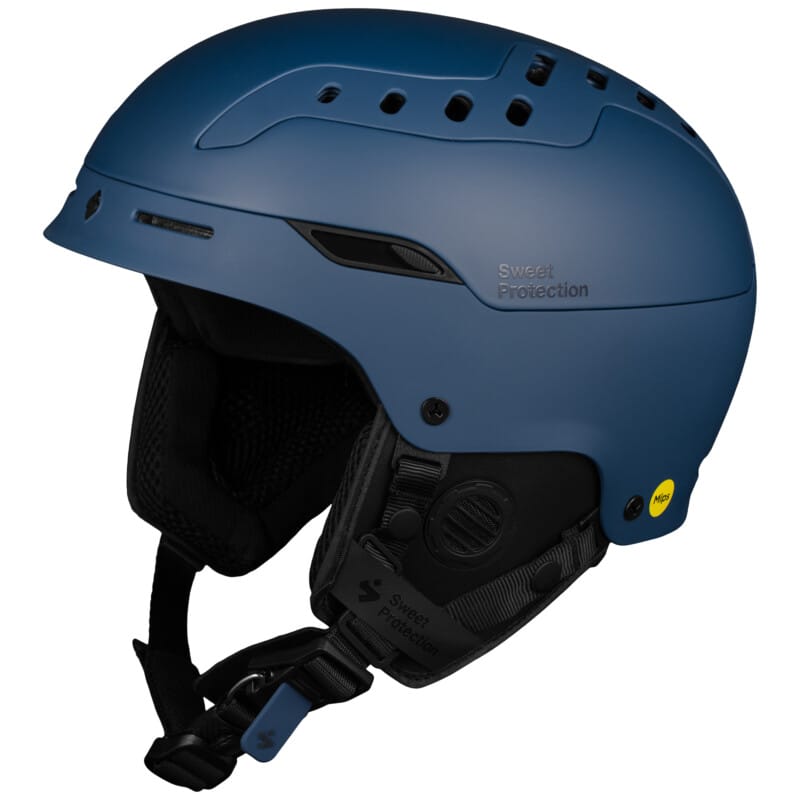
To meet the new Italian ski helmet laws, your helmet must be CE-certified and meet the European Standard EN 1077:2007. This certification ensures the helmet has been properly tested and approved for winter sports use. Approved helmets will be marked with the letters CE. You can normally find it on a label inside or on the back of the helmet.
CE certified helmets come in two protection classes:
- Class A helmets provide full coverage including ear protection and are generally considered safer.
- Class B helmets offer protection without ear coverage and may be more comfortable for longer periods, but do not protect the ears.
Both are acceptable under the new law, so choose whichever suits your preference and comfort level. The most important thing is that proper fit – your helmet should sit snugly on your head without pinching or sliding around. If you’re unsure about how to choose the right ski helmet, our team at our Sheffield ski shop can help you find the right fit.
Penalties for Breaking the New Ski Helmet law
This law is being enforced on Italian slopes by dedicated slope police officers who already enforce existing laws.
If you’re caught skiing without a proper helmet, you can be handed an on-the-spot fine between €100 and €200, which is approximately £85 to £175 (at the time of writing). Considering our prices for helmets start from as low as £75, is it worth the risk?
What’s more, repeated offences can result in your ski pass being suspended for up to three days, blocking you from accessing the slopes.
Why Italy Has Introduced This Law
Several factors have driven Italy’s decision:
- Rising visitor numbers and accident rates – Italian ski resorts have seen steadily increasing visitor numbers over recent years. With more people on the slopes, the risk of collisions and accidents has increased. Helmets are proven to significantly reduce the severity of head injuries in skiing accidents.
- Consistency across resorts – Previously, different resorts had different approaches to helmet enforcement. The new law creates a clear standard across the entire country, making it easier for visitors to understand safety requirements.
- Olympic preparations – With the Winter Olympics in Milan-Cortina in 2026, Italian skiing will soon be in the centre of the global spotlight. This law is part of a broader initiative enhance safety ahead of the Olympic Games, including improved defibrillator access and designated helicopter landing areas.
- International best practice – Whilst Italy is the first European country to mandate helmets for all ages, the move reflects growing acceptance that head protection should be standard practice for winter sports, just as it is for cycling and motorcycling.
How the New Helmet Laws Will Affect Skiing in Italy
If you’re planning a trip to Italy for the 2026 ski season, here’s how to ensure you’re prepared for the new legal requirements:
Bring Your Own Helmet
If you already own a CE-certified helmet, bring it with you or consider buying one if you don’t have one. Your own helmet will be more comfortable and fit properly, plus you’ll save money on rental fees. If you’re unsure if your helmet complies with the new laws, our blog on ski helmet safety offers more guidance.
Don’t Assume Any Runs Are Exempt
The helmet law applies everywhere and across all sports. It applies to all ages, all experience levels and all sports. There are absolutely no exceptions based on terrain difficulty or type of run.
Check Your Travel Insurance
Whilst many winter sports insurance policies already require helmet use, failing to wear one now places you in violation of Italian law. Ensure that you’re meeting all legal requirements to maintain your coverage.
Italy’s Broader Safety Regulations
The helmet law is just one part of Italy’s wider approach to slope safety. If you’re skiing in Italy, you also need to be aware of these other regulations:
- Third-party liability insurance is mandatory – All skiers must have insurance covering damage to other people or property. Most resorts include this as an add-on when purchasing lift passes, so it’s easy to comply.
- Skiing under the influence is strictly prohibited – Blood alcohol limits of 0.5% apply (the same as driving), with fines ranging from €250 to €1,000 for violations. Levels above 0.8% are considered a criminal offence. Slope police are authorised to conduct breathalyser tests.
- Off-piste requirements – If you’re venturing off-piste, Italian law requires you to carry avalanche safety equipment including a transceiver, probe, and shovel. Your insurance must also cover off-piste activities.
Final Verdict: Just Wear the Helmet
Whilst some experienced skiers feel helmets are unnecessary or uncomfortable, head injuries are significant and serious. It’s not just your own experience factor that comes into play. Modern ski helmets are lightweight, well-ventilated and comfortable, and there’s no excuse for not wearing one anymore.
Italy’s new helmet law represents a progressive step towards making skiing and snowboarding safer for everyone. Rather than viewing it as restrictive, see it as Italy taking responsibility for visitor safety and setting new standards for European skiing.
If you need help choosing a new helmet that complies to the Italian ski helmet laws, our team can help you.
We stock European CE compliant helmets online and in store at our ski shop in Sheffield. You can visit us in person or get in touch, and our friendly team will offer support.