Choosing the Right Ski Helmet?
Whilst not a legal requirement, ski helmets are vital pieces of equipment to keep you safe – the right helmet can save your life in the event of a fall or a collision. Accidents can happen to anyone, even the most experienced skier which is why choosing the right ski helmet is extremely important to protect your head in a skiing accident.
Why Should You Wear a Ski Helmet?
Ski helmets don’t just provide protection in the event of a crash, they also provide:
- Warmth – most helmets are now insulated to provide greater warmth
- Comfort – most helmets are padded for comfort
- Looks – helmets are available in a range of stylish designs. With most skiers now wearing them, helmets can be a fashion statement
- Improved fit of googles – the majority of goggles are designed with helmets in mind, meaning wearing a helmet can improve how your goggles fit
Factors to Consider When Choosing a Ski Helmet
There are a range of factors to consider when choosing a ski helmet from construction and safety features to compatibility with attachments. Perhaps you want a versatile helmet that can work equally well for both slalom events and recreational skiing, or maybe you want a helmet that plays your music for you as you speed down the slope. The perfect helmet is different for every skier, so how do you choose from the thousands of options?
There are 4 main areas to consider when choosing a ski helmet:
- Purpose
- Construction
- Fit
- Budget
Choosing a Ski Helmet by Purpose
What type of ski helmet you need will depend on what type of skiing you plan to do. As a recreational skier, you might want to prioritise comfort, whereas ski racers might need to comply to certain standards of helmet certifications. Learn more about helmet certifications in our Ski Helmet Safety Blog.
There are 3 different styles of ski helmets to choose from:
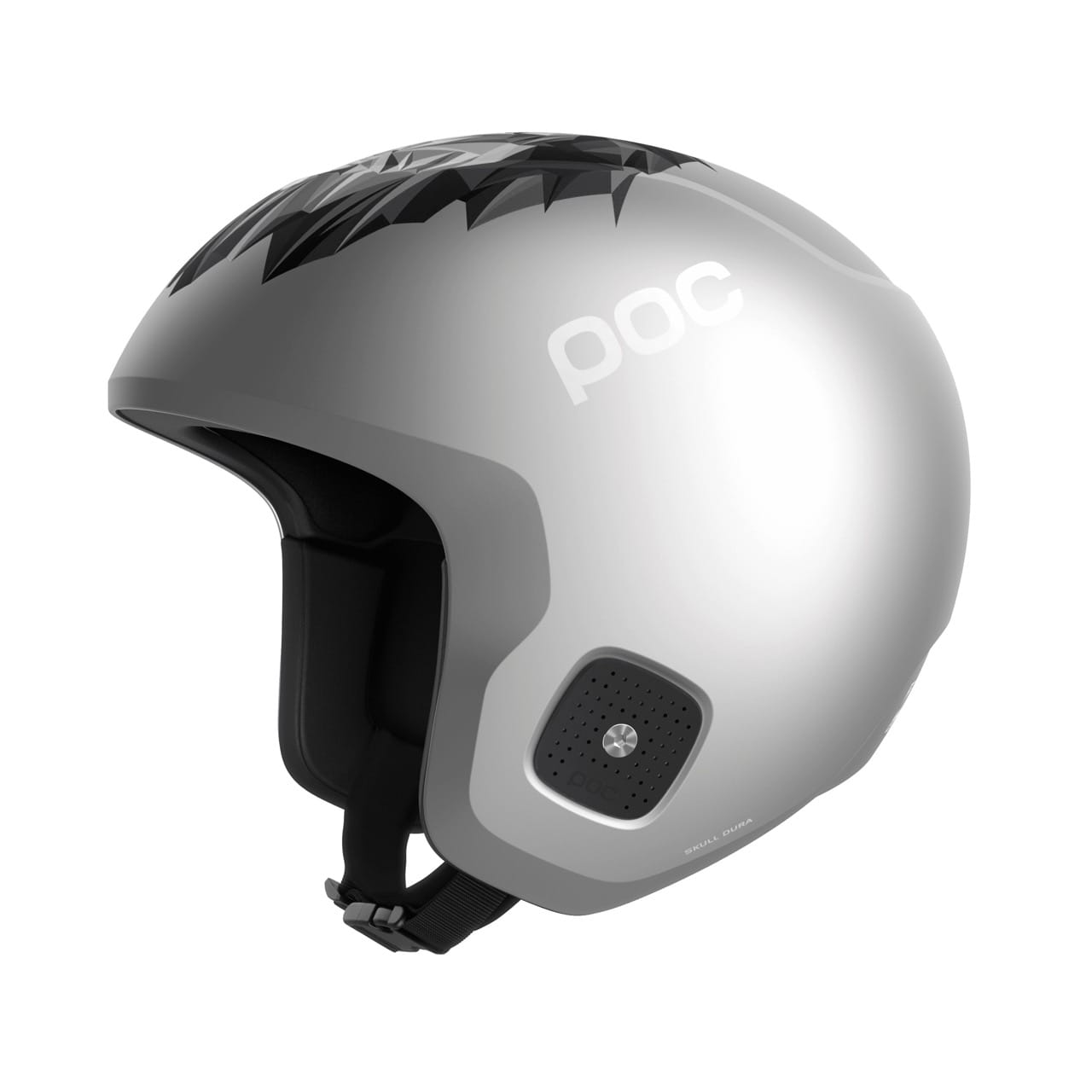
Full shell helmets
Full shell helmets are made with a hard external shell that covers the whole head and the ears, leaving the face uncovered. These helmets are a requirement by the FIS to allow racers to participate in certain events, therefore these helmets are often favoured by competitive skiers. These helmets provide higher protection, but can be heavier and less comfortable, and may also create difficulty hearing – though manufacturers are constantly introducing measures to overcome these problems.
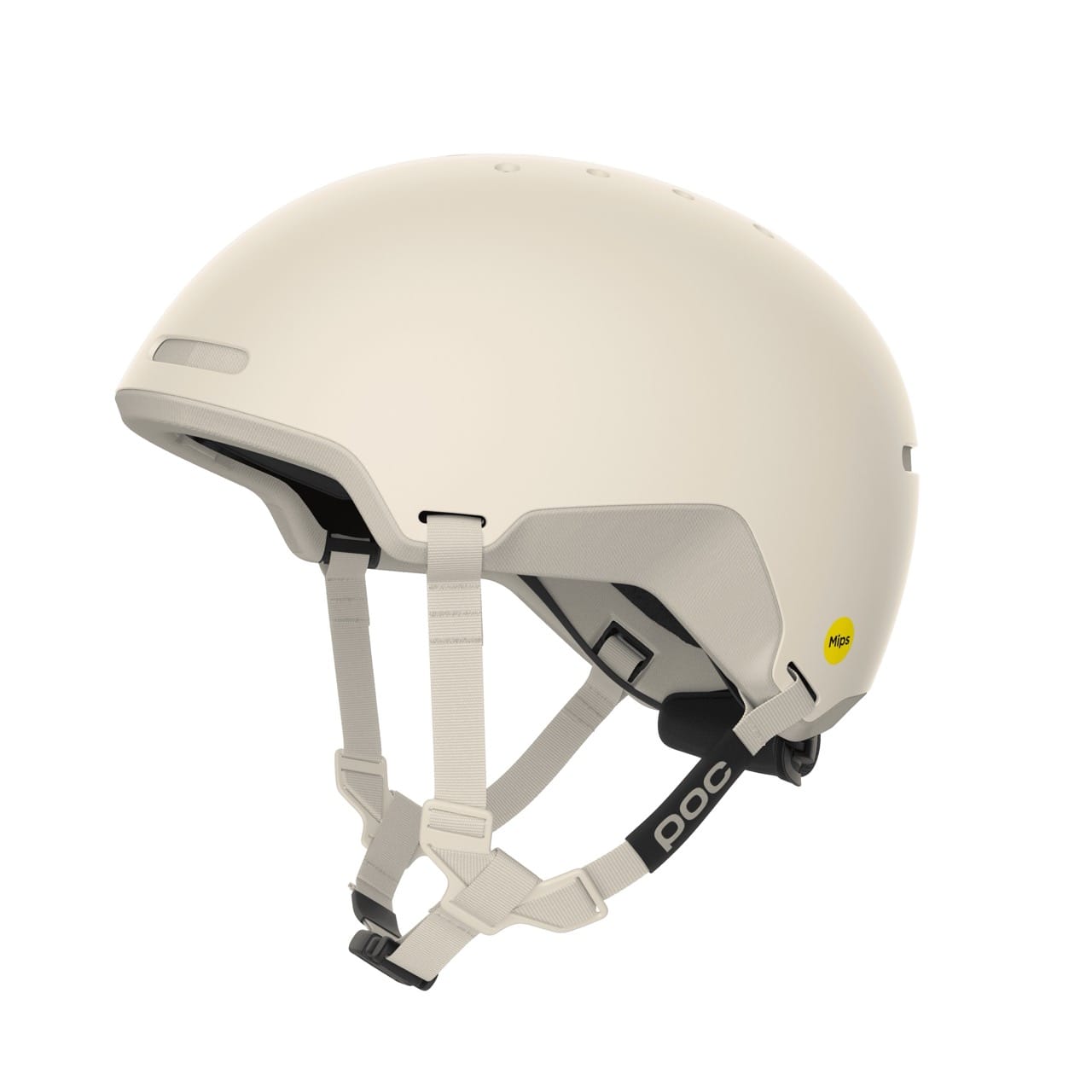
Half shell helmets
Half shell helmets have a hard shell that covers the whole head just like a full shell helmet, except the ears may not be covered. The ears can be left completely uncovered, or they may be covered with a soft padding that provides warmth and protection in the event of a fall – though not as much protection as a full coverage helmet. Whilst the disadvantage of a half shell helmet is lower protection compared to a full shell helmet, half shell helmets are often lighter, more comfortable, and allow for better hearing, making them a favourite among casual skiers.

Full face ski helmets
Full face ski helmets look a bit like a motorcycle helmet. They cover the full head, including the back of the head and the jaw, as well as the face. Aside from looking extremely cool, these helmets also provide greater warmth, perfect for the super cold months for all those early season skiers. UK made, these helmets are produced by specialist suppliers, Ruroc. Though they offer fuller coverage, these helmets are often more expensive and can also restrict peripheral vision.
Which helmet is best for you depends on personal preferences as well as what you plan to use the helmet for. If you’re a recreational skier, you can choose any helmet you like, but if you plan to take part in competitive skiing then you’ll need to adhere to the latest FIS ski helmet standards.
Choosing a Ski Helmet by Construction
Another important factor is ski helmet safety is the style of construction. The materials your ski helmet is made from make a big difference when it comes to a crash!
There are 3 main construction types when it comes to ski helmets:
- In-mould ski helmets are made using a single moulding process that fuses the hard outer shell to a shock absorbent polystyrene liner. Both the plastic shell and the polystyrene are placed into the mould together then heated, fusing the two materials into one, creating a strong but lightweight helmet.
- ABS hard shell ski helmets are similar to in-mould ski helmets, but rather than being made together as one, they are moulded separately to allow for a thicker and stronger ABS plastic outer shell. This creates a more durable helmet.
- MIPS ski helmets are the cutting edge in ski helmet safety. Specially designed to reduce rotational forces on the brain in the event of a crash, MIPS helmets consist of an additional low friction layer between the shock absorbing outer shell and the comfortable inner lining. This allows the helmet to move with the angle of a fall, creating greater protection at the point where the head meets the ground.
In-mould helmets are more comfortable but may offer less protection than ABS hard shell ski helmets. Thanks to advancements in technology, MIPS helmets are some of the safest and most comfortable ski helmets available on the market, offering superior protection in the event of a fall.
How to Fit a Ski Helmet?
The most important factor for choosing a ski helmet is the fit. A badly fitting ski helmet can come off in a collision or fall, meaning it won’t offer any protection – after all, a helmet is no good if it isn’t on your head!
Ski helmets will come in a range of sizes with an adjustment system that usually allows for a few centimetres of leeway.
How to measure yourself for a ski helmet:
- Find a soft tape measure (like the type used for sewing). If you don’t have one, use a long piece of string.
- Looking in the mirror, wrap the tape measure/string around the circumference of your head just above your ears.
- Make sure the tape measure/string is level, otherwise your measurement will be wrong.
- Mark the size of your head on the tape measure/string.
- If using a tape measure, this is your measurement. If using a piece of string, measure the string from the end to the point you marked using a ruler: this will tell you the number of centimetres around your head.
- Use this measurement to find your ski helmet size.
Whilst a ski helmet might be in your size, helmets also come with a range of different styles and shapes which can affect the feel. A properly fitted ski helmet should feel comfortable and secure.
How to tell if your ski helmet fits properly:
- You can’t feel any pinching sensations.
- You don’t feel any pressure – this can be whole head or just one specific spot.
- The helmet stays secure when you move your head and doesn’t wobble or slip.
We can help you find a ski helmet in your size in person at our specialist ski shop in Sheffield. If you’ve ordered a ski helmet online, it’s a good idea to check the fit at home before you wear it on the slopes. If your helmet arrives and doesn’t fit, you can send it back within 14 days via our returns policy.
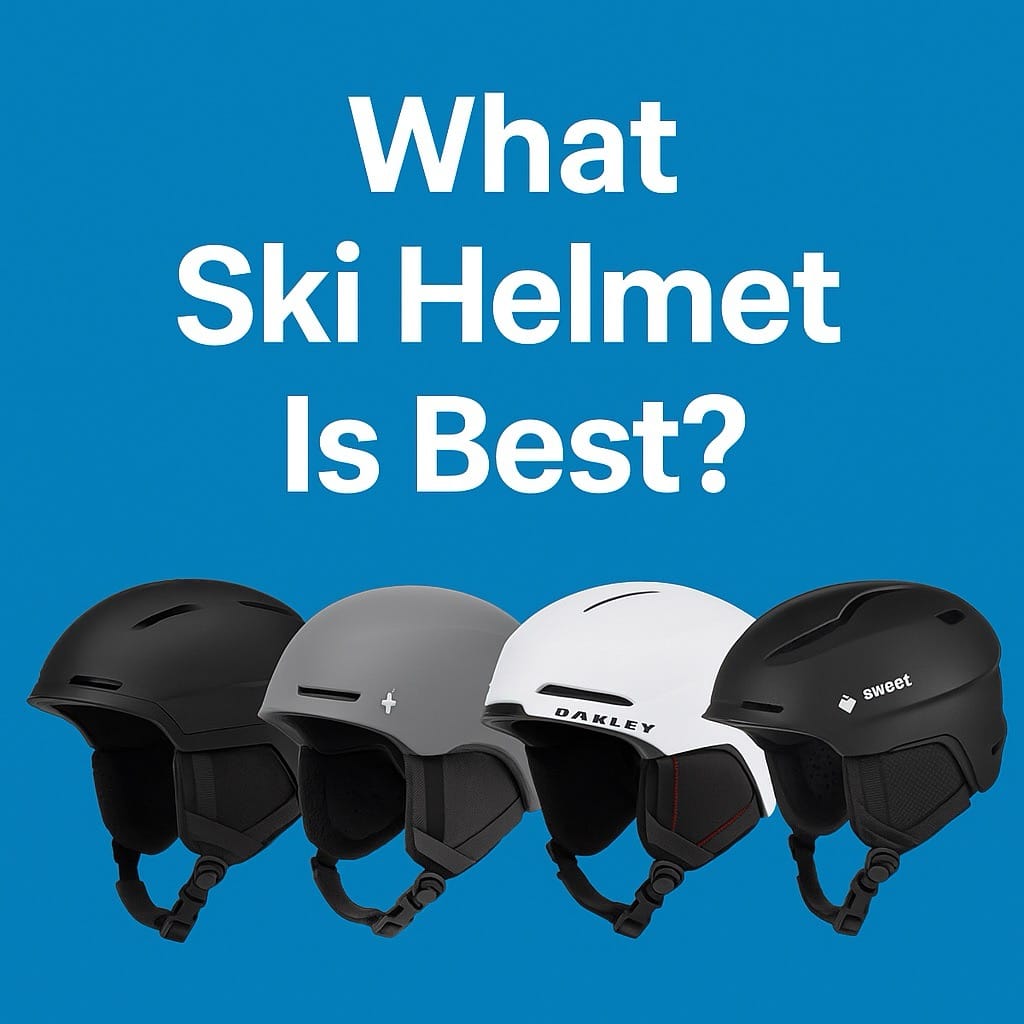
What Ski Helmet is Best?
There’s no one answer – the best ski helmet is different for everyone. The best ski helmet for you will be one that you like and feels comfortable for long periods – if your helmet isn’t comfortable, you won’t want to wear it, so having a helmet that looks and feels good for you is the most important factor.
Other factors to consider when choosing a ski helmet:
- Style, shape and colour – liking how your helmet looks is important. If you don’t like the look, you won’t want to wear it, so looks might even be the most important part.
- Activity – different helmets are for different types of skiing, for example, slalom helmets offer additional protection from being hit by the gates.
- Technology – as well as safety features, some helmets like the Sweet Protection Igniter are also integrated with technology such as the Audio Ready System which allows you to listen to music as you ski (sound card sold separately).
- Compatibility – some helmets are only compatible with certain goggles or types of chin guards. If you already have equipment that you don’t want to replace, having a ski helmet that’s compatible with what you already own can influence your choice.
Best Safety Features
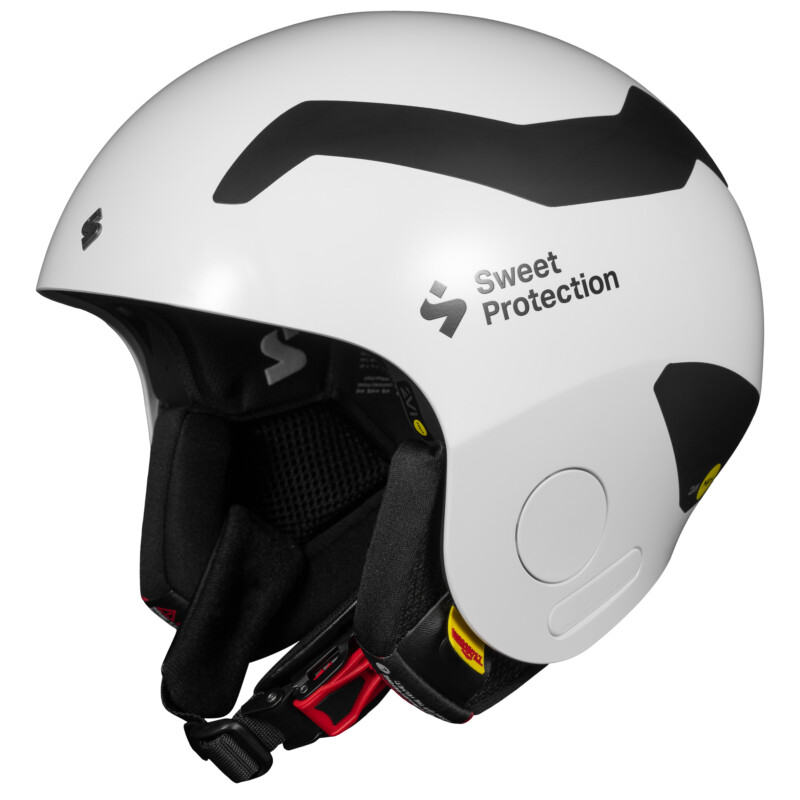
The Sweet Protection Volta 2Vi has the best safety features on the market at its level – complete with MIPS as well as emergency removal ear pads to allow for quicker medical access in an emergency.
Best Technology

The POC Skull Dura comes complete with MIPS for added protection but also has come of the coolest technology with specially designed shape for ultimate comfort with no pressure points and a Race Lock adjuster for security even at extremely high speed.
Most Comfortable

With a sliding vent to prevent goggle fogging, the POC Obex with MIPS protection is one of the comfiest helmets around – great for long skiing sessions without compromising on safety.
Best for Racing and Slalom
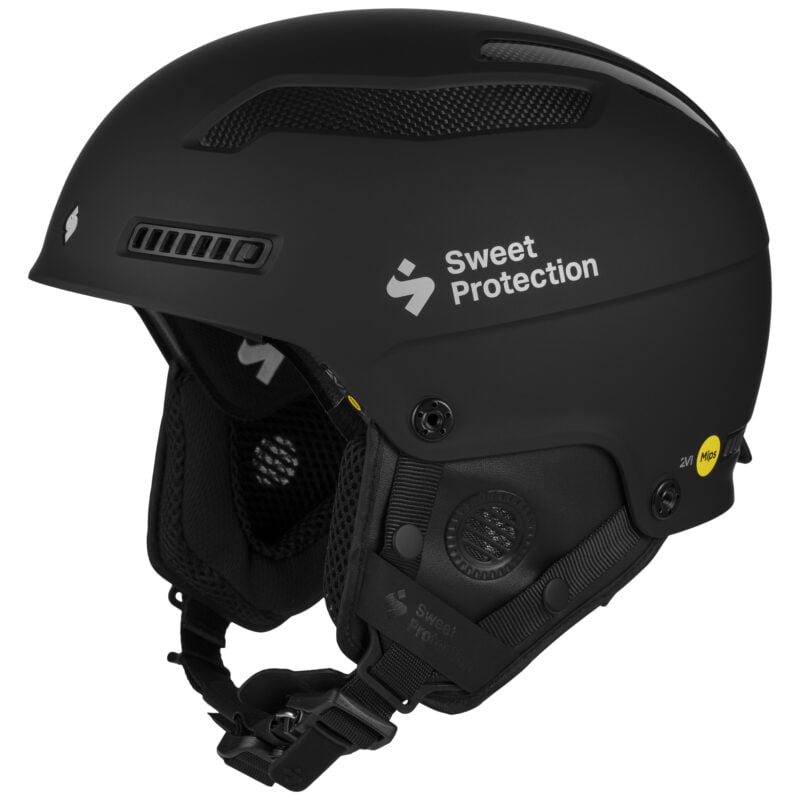
The Sweet Protection Trooper 2Vi is the top of the range when it comes to racing. Strong and light, it doesn’t compromise on comfort or speed and comes with a Sweet Protection chin guard (usually sold separately) included with the helmet, meaning you can race right away.
Best for Casual Skiers
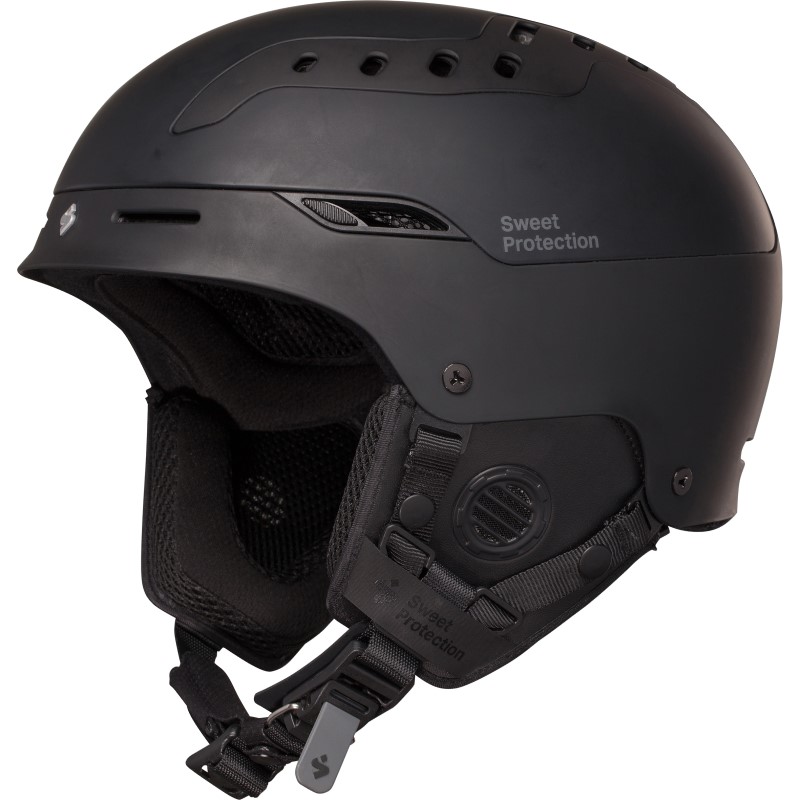
Offering the most features whilst still being extremely safe, the Sweet Protection Switcher helmet is best for casual skiers. Designed for easy operation even with gloves, this award-winning hybrid construction helmet is both lightweight and strong, giving you the best of both worlds.
Coolest Looks

If style is important, then the SHRED Totality NoShock series wins every day. Without a doubt, this is one of the coolest looking ski helmets we’ve seen! Packing more than just good looks, the SHRED Totality NoShock offers a freeride system whilst also still being suitable for slalom.
